
 Kia Rio: Instrument Cluster Components

| Pin No. |
Description |
Pin No. |
Description |
| 1 |
Cluster ground |
21 |
S ground |
| 2 |
P ground |
22 |
Fuel (-) |
| 3 |
Rheostat output |
23 |
- |
| 4 |
Rheostat detent output |
24 |
DC-DC (ISG) |
| 5 |
ALT L output |
25 |
Battery (+) |
| 6 |
High beam (+) |
26 |
Ignition 1 |
| 7 |
4P output |
27 |
Speed |
| 8 |
AT P output |
28 |
- |
| 9 |
AT N output |
29 |
C_CAN_HIGH |
| 10 |
AT D output |
30 |
C_CAN_LOW |
| 11 |
Fuel input |
31 |
B_CAN_LOW |
| 12 |
- |
32 |
B_CAN_HIGH |
| 13 |
Parking brake |
33 |
Rheostat up |
| 14 |
Airbag supply |
34 |
Rheostat down |
| 15 |
Check engine |
35 |
Cluster signal |
| 16 |
Water seperator |
36 |
Active ECO |
| 17 |
- |
37 |
- |
| 18 |
Immobilizer |
38 |
Oil pressure |
| 19 |
Key out |
39 |
Battery charge |
| 20 |
Wahser low |
40 |
Illumination (+) |
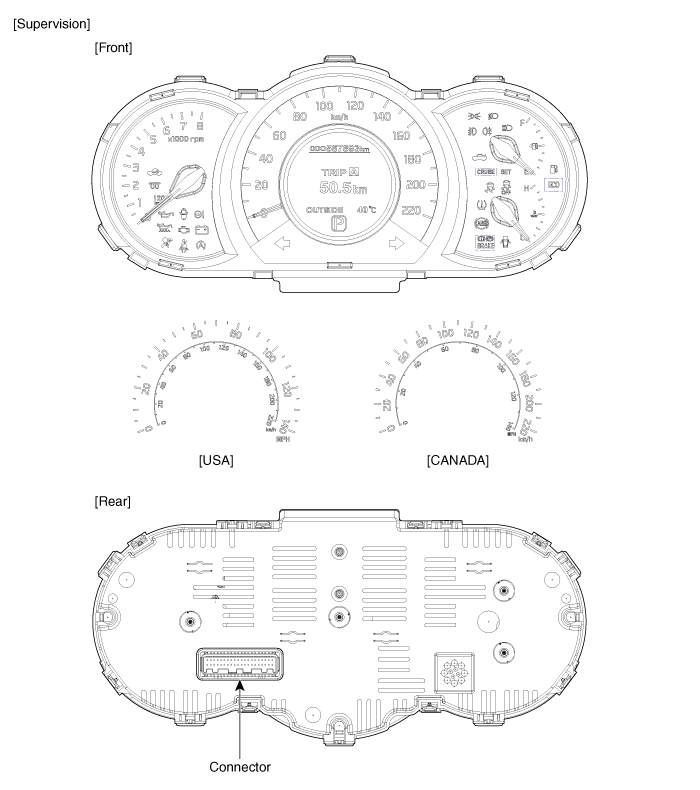
| Pin No. |
Description |
Pin No. |
Description |
| 1 |
Cluster ground |
21 |
S ground |
| 2 |
P ground |
22 |
Fuel (-) |
| 3 |
Rheostat output |
23 |
- |
| 4 |
Rheostat detent output |
24 |
DC-DC (ISG) |
| 5 |
ALT L output |
25 |
Battery (+) |
| 6 |
High beam (+) |
26 |
Ignition 1 |
| 7 |
4P output |
27 |
Speed |
| 8 |
AT P output |
28 |
- |
| 9 |
AT N output |
29 |
C_CAN_HIGH |
| 10 |
AT D output |
30 |
C_CAN_LOW |
| 11 |
Fuel input |
31 |
B_CAN_LOW |
| 12 |
- |
32 |
B_CAN_HIGH |
| 13 |
Parking brake |
33 |
Rheostat up |
| 14 |
Airbag supply |
34 |
Rheostat down |
| 15 |
Check engine |
35 |
Cluster signal |
| 16 |
Water seperator |
36 |
Active ECO |
| 17 |
- |
37 |
- |
| 18 |
Immobilizer |
38 |
Oil pressure |
| 19 |
- |
39 |
Battery charge |
| 20 |
Wahser low |
40 |
Illumination (+) |
 Component Location
1. Instrument cluster assembly
2. Seat belt switch
3. Vehicle speed sensor
4. Engine coolant temperature sender
5. Oil pressure switch
6. Brake fluid level warning switch
...
 Instrument Cluster Circuit Diagram
[Standard]
[Supervision]
...
See also:
Rear Wheel Speed Sensor Components
1. Rear wheel speed sensor connector
2. Rear wheel speed sensor
...
Exterior overview
1. Hood
2. Headlamp
3. Fog light
4. Tires and wheels
5. Outside rearview mirror
6. Sunroof
7. Wiper blade
8. Windows
9. Door
10. Fuel filler lid
11. Rear combination lamp
12. Tailgate ( ...
Adjustment
Battery charging
In general, vehicle battery charging system has three forms.
1.
Constant current charge: The battery voltage gradually rises by
chargi ...
Categories
- Kia Rio Manuals Home
- Kia Rio YB 2017-2026 Owners Manual
- Kia Rio YB 2017-2026 Service Manual
- Kia Rio UB 2012-2017 Owners Manual
- Kia Rio UB 2012-2017 Service Manual
- Downloads

Copyright © www.kirmanual.com 2014-2026